Understanding drill torque helps professionals choose the right tool for different drilling and fastening applications.
When comparing drills, many users focus on voltage, battery capacity, or speed. However, one of the most important performance indicators is torque. Understanding drill torque helps professionals choose the right tool for different drilling and fastening applications.
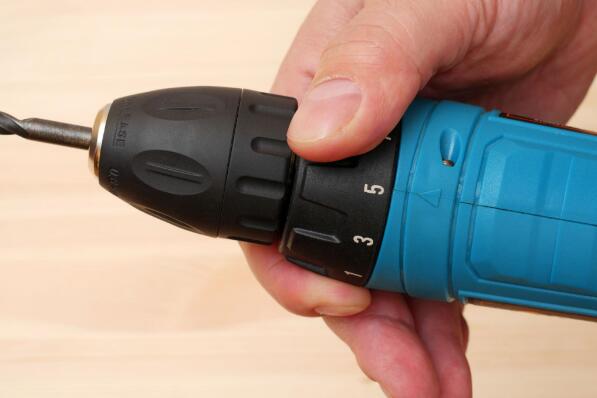
Torque is the rotational force generated by a drill motor. It determines how much turning power the drill can deliver when driving screws or drilling holes.
Simply put:
Higher torque = More power to overcome resistance
Lower torque = Better suited for lighter tasks
Torque is typically measured in Newton meters (Nm).
The amount of torque required depends on the application.
Furniture assembly
Light household repairs
Small screws
Softwood drilling
Structural wood drilling
Large diameter holes
Lag bolt installation
Metal fabrication work
Insufficient torque can cause the drill to stall, reducing efficiency and productivity.
Torque and speed are often confused, but they serve different purposes.
| Torque | Speed (RPM) |
| Turning force | Rotation speed |
| Better for heavy-duty work | Better for fast drilling |
| Handles resistance | Improves productivity |
Professional drills balance both torque and speed to provide versatile performance.
Most cordless drills feature two-speed gearboxes.
Higher torque
Lower speed
Best for:
Driving screws
Large drill bits
Heavy-duty drilling
Lower torque
Higher speed
Best for:
Small holes
Light materials
Fast drilling tasks
Using the correct gear improves efficiency and extends battery runtime.
| Application | Recommended Torque |
| DIY Projects | 20–40 Nm |
| General Construction | 40–70 Nm |
| Professional Use | 70–100 Nm |
| Heavy-Duty Applications | 100+ Nm |
For most contractors and professional users, a drill offering 60–100 Nm provides an excellent balance of power and versatility.
Not necessarily.
A higher torque rating may provide more power, but it can also increase tool weight, battery consumption, and cost. The best drill is one that matches the intended application rather than simply offering the highest torque number.
Factors such as motor efficiency, gearbox quality, and battery performance also play important roles in overall drilling performance.
Torque is the force that allows a drill to handle demanding drilling and fastening tasks. While higher torque is beneficial for heavy-duty applications, selecting the right balance of torque and speed is more important than chasing the highest specification.
Understanding torque helps buyers, contractors, and distributors evaluate drills more effectively and choose tools that deliver reliable performance in real-world working conditions.
Hebei Sinotools Industrial Co., LTD.
Copyright © Sinotools Industrial All rights reserved. Technical Support:REANOD

 EN
EN