Match the tool to the workpiece: an angle grinder for short cuts and trimming, a reciprocating saw for installed pipe, a cut-off saw for repeat profile cuts and a band saw for solid stock.
Use an angle grinder for short cuts and trimming, a reciprocating saw for cutting an installed pipe in a tight space, and a bench-top metal cut-off saw for making repeat cuts in clamped steel profiles. A horizontal metal-cutting band saw is worth considering for workshop production or larger stock within the machine’s rated capacity. Before you choose, check the shape of the workpiece, the size of the section, and the finish you need.
| Workpiece and task | Tool to consider | What to check |
|---|---|---|
| Short cuts in sheet steel or trimming a bracket on site | Angle grinder | Wheel and guard compatibility, access around the cut, and how much finishing the edge will need. |
| Removing installed pipe in a tight space | Reciprocating saw | Blade length and clearance for the pipe’s outside diameter, plus a tooth pitch suitable for its wall thickness. |
| Cutting steel angle or square tubing to the same length repeatedly | Bench-top metal cut-off saw | Clamping, repeatable setup, and rated capacity for that profile and cut angle. |
| Repeated workshop cuts in solid bar or larger sections | Horizontal metal-cutting band saw | Capacity for the stock shape, plus a blade and cutting speed suited to the material. |
For a long, straight cut in thin sheet, a metal shear or another tool designed for sheet metal may be easier to guide. For installed pipe, confirm the line has been identified, isolated, and made safe before cutting.
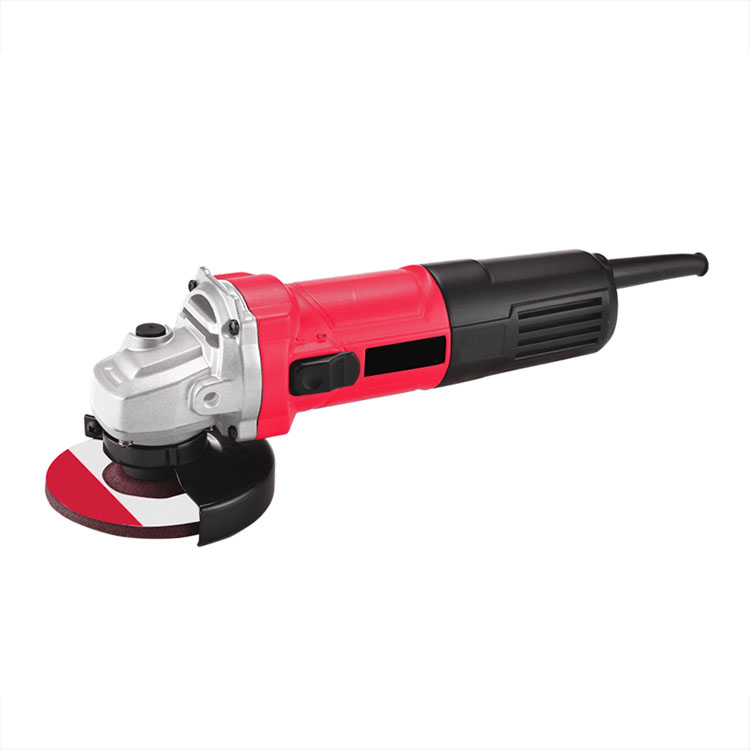 W32123 Angle Grinder
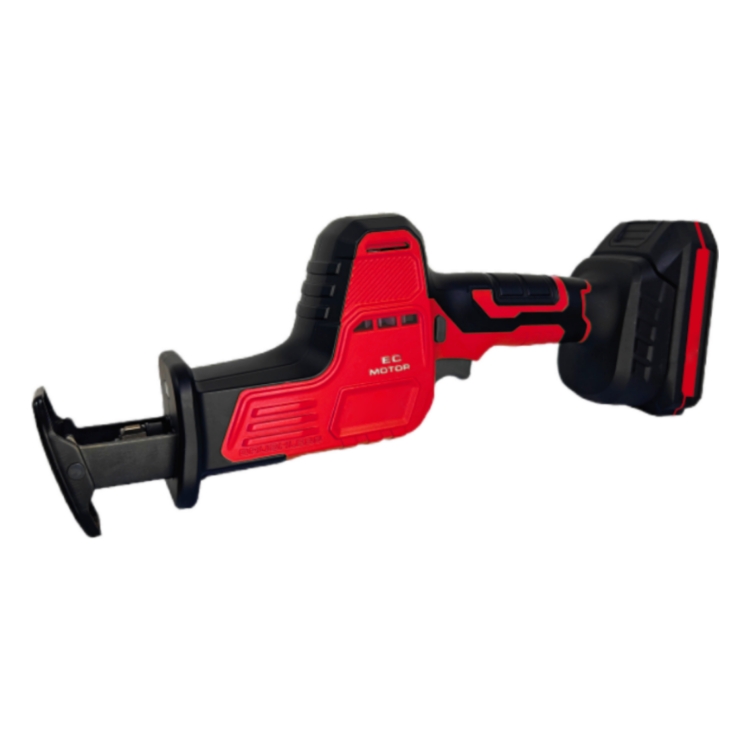 W14302 Reciprocating Saw
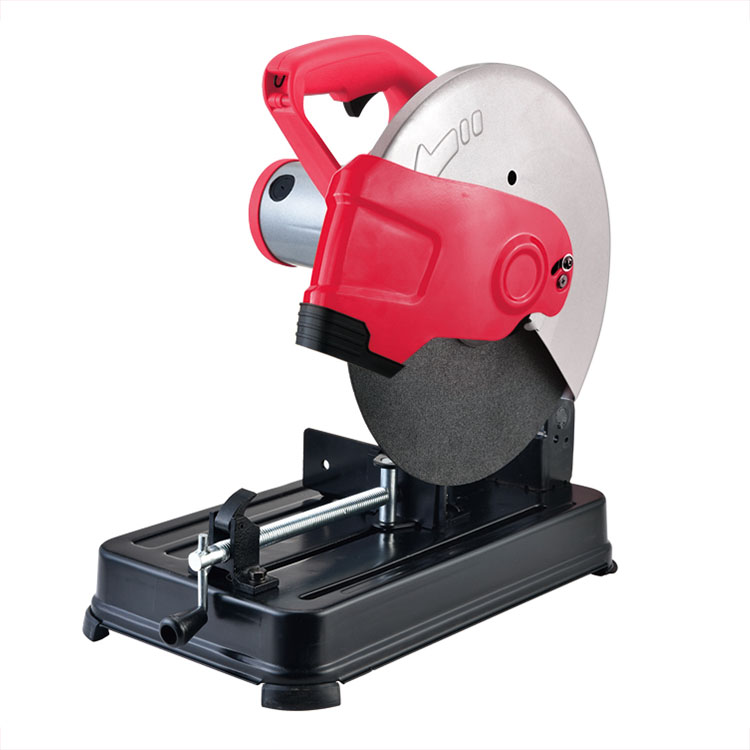 W33311 Profile Cutting Machine
Measure the dimension the tool must cut across and the thickness the cutting edge actually engages. For sheet metal, those are the cut length and the sheet thickness. For tubing, they are the outside dimensions and the wall thickness. For solid bar, the full section matters when selecting both the machine and blade.
Example: For a round steel tube with a 50 mm outside diameter and a 2 mm wall, check that the machine can handle the 50 mm tube and that the blade has enough working length and clearance throughout its stroke. Then select a metal-cutting blade with a tooth pitch recommended for a 2 mm wall. A solid 50 mm bar calls for a blade suited to solid stock, even though the outside diameter is the same.
On a bench saw, check the manufacturer’s capacity for the actual shape and cut angle. A round-tube rating, a square-section rating, and a miter-cut rating may differ. The wheel diameter is an accessory specification. The saw’s maximum workpiece size depends on its guard, spindle, base, and clamping geometry.
Choose a wheel marked for both the machine type and the material, whether that is mild steel, stainless steel, or aluminum. Check the diameter, mounting hole, wheel type, guard requirements, and maximum rated speed. Our disc size and type guide covers how diameter and thickness change with the material you are cutting. Use a wheel rated at least as fast as the tool’s maximum no-load speed. Keep the cut in line with the wheel. For deburring or side grinding, use an accessory rated for that operation.
Choose a blade made for the metal and cross-section you are cutting. Thin-wall tube typically needs a finer pitch so several teeth can engage the wall. Solid or thicker sections often need a coarser pitch with room to clear chips. Start with the blade maker’s chart and verify the blade length, fit, and recommended material range. Our cordless reciprocating saw range lists stroke length and pipe capacity for each model. Use a band saw blade that also matches the machine’s specified dimensions. Cutting speed and coolant choice matter as much as tooth pitch on larger sections.
Secure the workpiece, fit the specified guard where applicable, wear suitable eye and face protection, and keep sparks away from flammable materials. See the angle grinder safety guide for wheel fitting, guard checks and dust control.
For more on clamping, cut access, and repeatability, see the cut-off saw and angle grinder comparison.
A reciprocating saw with a metal-cutting blade is useful when the pipe is already installed and access is limited. For loose pipe that needs repeat cuts at the same length, compare a bench-top cut-off saw and a metal-cutting band saw rated for the pipe size.
Use the wheel only if its label lists the material you are cutting. Choose a wheel rated for stainless steel when cutting stainless and an aluminum-rated wheel or blade when cutting aluminum.
A bench-top cut-off saw suits repeat cuts in clamped steel profiles that fit its rated capacity. A horizontal metal-cutting band saw is worth comparing when you regularly cut solid stock, larger sections, or parts where cut finish matters. Compare the machines on the actual stock and the number of cuts you make.
Hebei Sinotools Industrial Co., LTD.
Copyright © Sinotools Industrial All rights reserved. Technical Support:REANOD

 EN