Sparks where the wheel meets steel are normal. Sparks inside the housing are not. How to tell the two apart, check carbon brushes and decide between a repair and a replacement.
Sparks where the wheel meets steel are expected during cutting or grinding. Small, occasional sparks visible through the vents can also occur on some brushed angle grinders. Start by identifying where the sparks came from and whether the grinder’s sound, speed, or smell changed.
Stop using the grinder if sparks are heavy or sustained around the motor housing, or if you notice smoke, a burning smell, unusual noise, or a sudden loss of power. Switch it off, let the wheel stop, and safely unplug it or remove the battery before inspecting it.
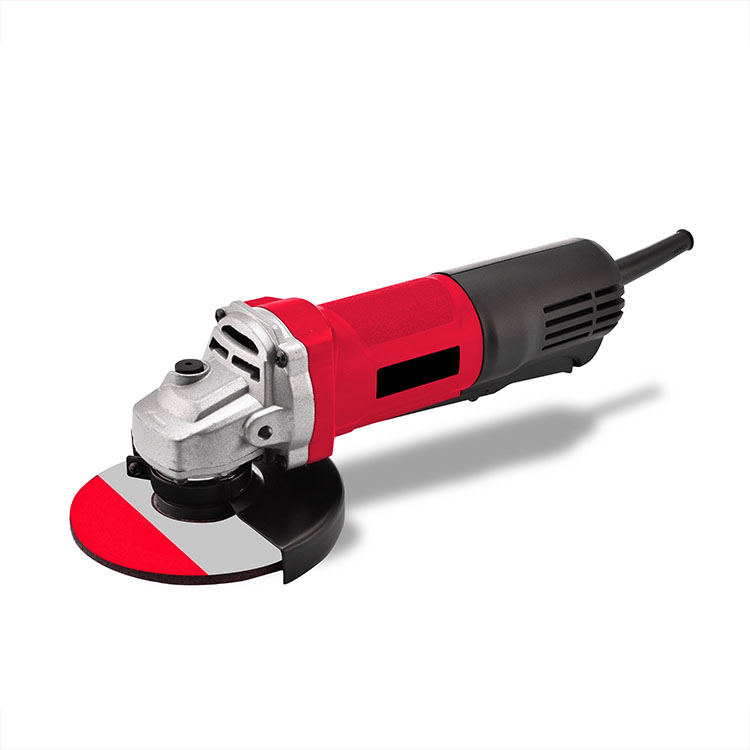
Sparks have two possible origins: the workpiece, where the wheel is cutting, or the inside of the motor. Naming the source correctly is most of the diagnosis, and the breakdown of angle grinder components shows how the armature, brushes and vents sit relative to each other.
| What you noticed | What it may mean | What to do |
|---|---|---|
| Sparks only where the wheel touches steel | Hot metal particles are coming from the workpiece. | Use the correct wheel and guard, keep sparks away from flammable materials, and wear appropriate eye and face protection. |
| Faint, occasional sparks visible inside the vents of a brushed grinder | Some models show minor sparking where the brushes contact the commutator. | Check the model’s manual. If the pattern is new, growing stronger, or accompanied by a change in speed or smell, stop and have the tool checked. |
| Strong or persistent sparks from the housing, switch, plug, or battery connection | An electrical or motor fault may be present. | Switch off, safely disconnect power, and arrange service before using the grinder again. |
Keep the guard specified for the wheel and task in place, including when you expect sparks from the workpiece. A guard is matched to a specific disc diameter, so check the pairing every time you change wheel size. The MrPowerTools angle grinder safety guide covers guards, PPE and workpiece set-up in more detail.
In a brushed motor, spring-loaded carbon brushes press against the copper segments of the commutator to carry current into the rotating armature. Brushed motors are still common across corded angle grinders and in small brushed cordless models, where a 76 mm wheel keeps the current draw low enough for brushes to stay practical. As the brushes wear, they can lose consistent contact. Excessive sparking, intermittent running, or failure to start can follow. Other motor or electrical faults can produce similar symptoms.
Check the exact model’s manual for the wear limit and whether the brushes are user-serviceable. If the manual permits replacement, disconnect the power and replace both brushes together using the specified parts. Some grinders have external brush caps, while others require service access. Brush sets are model-specific, so confirm the part number and wear limit with the MrPowerTools service team before you order.
The commutator is the segmented copper surface the brushes touch. The armature is the rotating assembly that carries the commutator and windings in a typical brushed grinder. Damaged commutator segments or a winding fault can cause heavy arcing, uneven running, or loss of power. Spark color alone cannot identify the failed part.
If pronounced sparking continues after the correct brushes have been fitted according to the manual, have a technician check the brush holders, commutator, windings, and electrical connections. If the grinder smoked, smelled burnt, or lost power while arcing, leave it disconnected for inspection. On a tool that has already been repaired once, put the quote next to the price of a replacement: a 2400 W corded grinder often costs less than an armature plus labour on an older machine.
A brushless motor has no carbon brushes to wear out, so the wear-related arcing described above does not apply. On the MrPowerTools W12106 20 V brushless cordless angle grinder, the 100 mm wheel can still produce sparks where it cuts steel. Visible arcing from the housing or battery connection is a reason to stop and have the tool inspected. The same holds for the 18 V brushless range and the 125 mm 20 V model — with no brushes inside the housing, nothing there should be arcing.
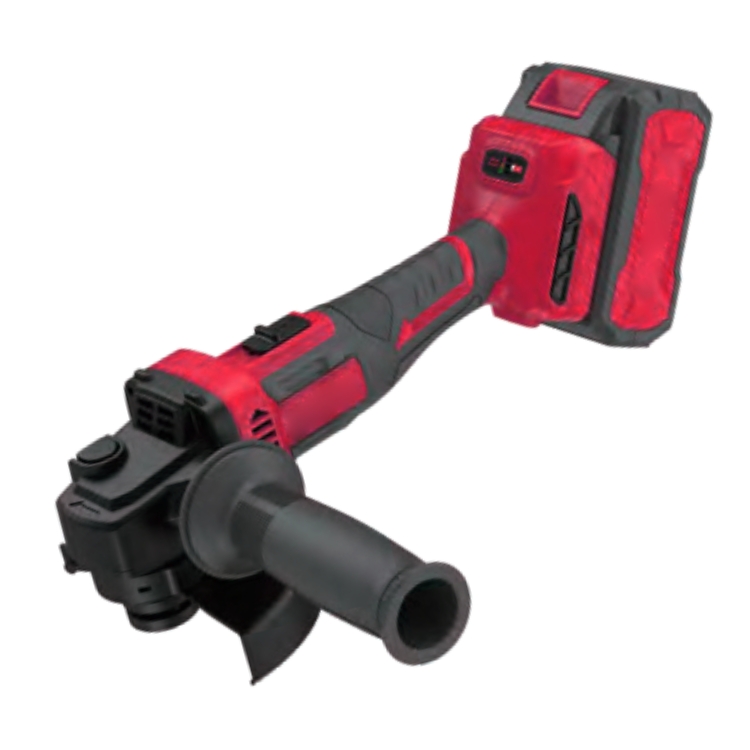
With the wheel clear of the workpiece, any sparks you see through the vents originate in the tool. Small, occasional sparks may be consistent with the manual for a brushed model. Heavy sparking, smoke, or rough running calls for stopping and inspection.
Check that the brushes are specified for the model and were fitted according to its manual. Persistent or heavy arcing after replacement needs inspection for brush fit, commutator damage, or another motor fault.
Switch it off, safely disconnect power, and have it inspected before using it again. Tell the technician whether the smell appeared with smoke, sparking, a change in sound, or loss of speed.
Hebei Sinotools Industrial Co., LTD.
Copyright © Sinotools Industrial All rights reserved. Technical Support:REANOD

 EN